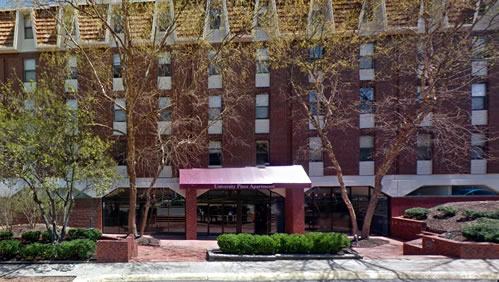
Class C

Definition of Class C Commercial Real Estate

In the context of commercial mortgages and real estate investment, Class C refers to the third tier of property classification. These assets are typically older buildings (often 20 to 30 years or older) located in less desirable or "fringe" areas. While they are functional and provide essential space for tenants, they often suffer from functional obsolescence and require significant capital expenditures for repairs or modernization.

From a lending perspective, Class C properties are viewed as higher-risk assets. Because the buildings are older and the tenant base often has lower credit ratings, traditional banks may apply stricter underwriting criteria, higher interest rates, and lower Loan-to-Value (LTV) ratios compared to Class A or B properties.

Detailed Characteristics of Class C Properties

To identify a Class C asset, investors and mortgage brokers look for several specific physical and economic indicators:

  • Age and Condition: These buildings have typically reached a stage where major systems—such as HVAC, roofing, and plumbing—are at the end of their useful life. Deferred maintenance is a common hallmark of Class C properties.
  • Location: They are usually situated in lower-income areas or industrial zones that lack the infrastructure, visibility, or prestige of primary business districts.
  • Tenant Profile: The tenant base is often comprised of blue-collar workers or lower-income individuals. In commercial office or retail spaces, tenants are typically small local businesses rather than national franchises.
  • Amenities: Class C buildings offer little to no luxury amenities. The finishes are basic, and the architectural design is purely utilitarian.
  • High Yield Potential: Because of the higher risk and lower entry price, Class C properties often offer the highest cap rates (return on investment), making them attractive to "Value-Add" investors who intend to renovate the property to move it into the Class B category.

Mortgage and Financing Considerations

Securing a mortgage for a Class C property requires a specialized approach. Lenders focus heavily on the property’s ability to generate enough cash flow to cover the debt, known as the Debt Service Coverage Ratio (DSCR). Because these properties are older, lenders may also require a larger "replacement reserve" to ensure the borrower has funds set aside for emergency repairs.

Financing for Class C assets often comes from:

  • Bridge Loans: Short-term financing used by investors to purchase and renovate a Class C property before transitioning to a long-term mortgage.
  • Private Money Lenders: Investors who are willing to take on higher risk in exchange for higher interest rates.
  • SBA Loans: If the Class C property is owner-occupied, the Small Business Administration may provide more favorable terms than a conventional commercial bank.

Ultimately, Class C commercial mortgages represent a high-risk, high-reward scenario. While the properties require more management and capital, they provide an essential source of affordable housing and workspace while offering investors significant room for appreciation through strategic improvements.

Class C
Definition A property classification for properties that provide adequate functionality, exhibit some level of deferred maintenance; command below average rental rates; usually located in less desirable areas; generally managed by smaller, local property management companies; tenants provide a less stable income stream to property owners than Class A and B tenants.
Type of Word Adjective
Click To Hear Pronunciation

Get A Free Quote

Get a free commercial loan quote. This process does not affect your credit score.

Please put your first name here.
Please put your last name here.
Please put your email here.
Please put your phone number here.
Please select a property type.

Was this page helpful?

What Clients Say About Us

Our Reviews

Unfiltered Reviews
Fernando and Leanne are Amazing

Fernando and Leanne are amazing. I had many small businesses that need refinancing over the years. I have met many Brokers and there is always a catch. ALWAYS!… Use them! Once you do you will work with them forever

- Nirav Patel

She Took Care of All My Needs

If you searching for a great experience Commercial Loan Direct is the place. Leanne took care of me and honestly had the greatest experience. She handled all of my needs in a smooth and timely manner listened and addressed any concerns I had about the process and was very patient. I can be quite a handful at times and Leanne was so professional and kind hearted. I'd 100% recommend this company. Thank you again.

- Vincent Arias

Commercial Loan Direct Streamlined the Whole Process

We were in unfamiliar territory when it came to refinancing. Commercial Loan Direct streamlined the whole process for us. Leann connected us with lenders that were the right fit for us. The money and time we saved was so worth it. I highly recommend them

- Rita Pisarski