Conduit

Definition of a Conduit Loan

In the context of commercial real estate finance, a Conduit Loan—also known as a Commercial Mortgage-Backed Security (CMBS) loan—is a type of long-term, fixed-rate mortgage secured by a commercial property. Unlike traditional bank loans that stay on a lender's balance sheet until maturity, conduit loans are designed to be packaged together, securitized, and sold to investors on the secondary market as bonds.

Detailed Description of the Conduit Process

The term conduit refers to the way the lending institution acts as a pipeline to move capital from the financial markets to property owners. The lifecycle of a conduit mortgage typically involves several distinct stages:

  • Origination: A commercial lender or investment bank issues a loan to a borrower based on standardized underwriting criteria.
  • Pooling: Once the lender has originated a sufficient volume of loans (often totaling hundreds of millions of dollars), they are grouped into a diverse pool.
  • Securitization: This pool of loans is transferred to a real estate mortgage investment conduit (REMIC) trust. The trust issues bonds that are rated by agencies based on the risk profile of the underlying mortgages.
  • Investment: Institutional investors purchase these bonds, receiving a portion of the interest and principal payments made by the original borrowers.

Key Characteristics of Conduit Mortgages

Conduit loans are popular for specific types of commercial assets, including office buildings, retail centers, multi-family complexes, and industrial warehouses. They carry several unique features that distinguish them from traditional financing:

  • Non-Recourse Debt: Conduit loans are almost always non-recourse. This means that the lender’s only collateral is the property itself. In the event of a default, the lender cannot pursue the borrower’s personal assets, except in cases of fraud or specific "bad boy" carve-outs.
  • Fixed-Rate Terms: These loans typically offer 5-, 7-, or 10-year terms with fixed interest rates, providing the borrower with predictable debt service costs.
  • Amortization and Balloon Payments: While the loan term is short, the payments are usually calculated on a 25- or 30-year amortization schedule. This results in a large balloon payment due at the end of the term, which the borrower usually satisfies by refinancing or selling the property.
  • Prepayment Restrictions: Because investors rely on a steady stream of interest, conduit loans have strict prepayment penalties. Borrowers wishing to exit the loan early must typically engage in Defeasance (replacing the mortgage with government securities) or Yield Maintenance.

Advantages and Considerations

For many borrowers, the primary advantage of a conduit loan is higher leverage and lower interest rates compared to traditional bank loans. Because the loans are standardized and sold to a wide pool of investors, lenders can often offer more aggressive loan-to-value (LTV) ratios.

However, borrowers should be aware that because the loan is securitized, it is serviced by a Master Servicer and a Special Servicer. This can make it more difficult to negotiate loan modifications or address administrative issues compared to a relationship-based loan with a local bank. Additionally, the closing costs for conduit loans are often higher due to the complex legal and engineering reports required for the securitization process.

Conduit
Definition The financial intermediary that sponsors the conduit between the lender(s) originating loans and the ultimate investor. The conduit makes or purchases loans from third party correspondents under standardized terms, underwriting and documents and then, when sufficient volume has been obtained, pools the loans for sale to investors in the CMBS market.
Type of Word Noun
Click To Hear Pronunciation

Commercial Loan Finder

Fill this form out to find the best commercial loan programs for your needs.

Get A Free Quote

Get a free commercial loan quote. This process does not affect your credit score.

Please put your first name here.
Please put your last name here.
Please put your email here.
Please put your phone number here.
Please select a property type.

Success Stories

See how we've helped borrowers across the country close complex deals and reach their goals.

Ace Hardware Franchise Grand Opening - Herb and Gwen Velazquez SBA 7(a)

New Ace Hardware Franchise Financing

Alpharetta, GA Retail Franchise Real Estate + Working Capital

CLD was most helpful from answering my initial questions to the follow up... We would not have been able to start this business without CLD.

— Herb & Gwen Velazquez Read Story

Golden Valley Luxury Apartments - 332 Units, Bakersfield CA CMBS

Apartment Refinance — 332 Units

Bakersfield, CA Luxury Multifamily Non-Recourse · 10-Yr I/O

I had a tremendously good experience with CLD and especially with my loan specialist — she identified the ideal loan program and handled everything professionally.

— Golden Valley Apartments Read Story
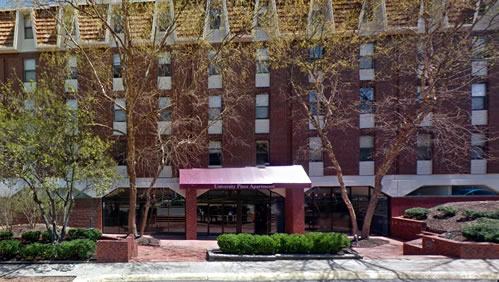
University Place Apartments - Student Housing, Columbia MO Conventional

Student Housing Refinancing — 181 Units

Columbia, MO Mixed-Use Student Housing Non-Recourse · 10-Yr

I felt confident through the process that things were under control, that my interests were protected — always a pleasure to work with.

— Mark Leifield Read Story

Want to see what real clients say about working with us?

Read Our Unfiltered Reviews

Was this page helpful?