Franchise Fees

Definition of Franchise Fees in Commercial Mortgages

In the context of commercial mortgages, franchise fees refer to the mandatory payments made by a property owner (the franchisee) to a brand owner (the franchisor) in exchange for the right to operate under the brand’s name, utilize its proprietary systems, and access its distribution networks. These fees are a primary consideration for lenders because they represent a significant, non-negotiable operating expense that directly reduces the Net Operating Income (NOI) of the collateral property.

Detailed Description and Impact on Financing

When underwriting a commercial loan for a branded asset—most commonly seen in the hospitality, retail, and restaurant sectors—lenders scrutinize franchise fees to determine the true profitability of the business. Because these fees are often calculated as a percentage of gross revenue rather than profit, they must be paid regardless of whether the property is currently operating at a net gain or loss.

From a commercial mortgage perspective, franchise fees typically fall into several categories:

  • Initial Franchise Fee: A one-time, upfront payment required when the mortgage is used to acquire a new franchise or when a property is rebranded. Lenders often require proof that this has been paid or budgeted for within the loan proceeds.
  • Royalty Fees: Ongoing monthly payments (usually between 4% and 7% of gross sales) for the continued use of the brand. Lenders deduct these from gross revenue to calculate the Debt Service Coverage Ratio (DSCR).
  • Marketing and Advertising Fees: Contributions to a national or regional fund used by the franchisor to promote the brand.
  • Reservation and Technology Fees: Common in hotel financing, these cover the costs of the brand’s global distribution system (GDS) and central reservation systems.

Lender Security and the "Comfort Letter"

Because the value of a commercial property is often tied directly to its brand (for example, a Marriott-flagged hotel vs. an independent boutique), lenders are highly concerned with the stability of the franchise agreement. If a borrower defaults on their franchise fees, the franchisor may strip the brand from the property, causing an immediate drop in the property's market value.

To mitigate this risk, commercial mortgage lenders usually require a Comfort Letter (also known as a Tri-Party Agreement). This document is an agreement between the lender, the borrower, and the franchisor. It typically grants the lender the right to:

  • Receive notice if the borrower defaults on their franchise agreement.
  • Step in and cure the default to prevent the loss of the brand.
  • Transfer the franchise license to a new owner or receiver in the event of a foreclosure.

Furthermore, lenders will evaluate any Property Improvement Plans (PIP) mandated by the franchisor. A PIP represents a future capital expenditure required to keep the franchise license current. Lenders may require the borrower to escrow funds for these fees to ensure the property remains compliant with brand standards throughout the life of the mortgage.

Franchise Fees
Definition An expense line item representing the undistributed expenses (fees) related to the franchise including royalties, national advertising, and administration of frequent guest stay or similar programs. These fees can include part of an initial purchase requirement plus an ongoing percentage of gross sales of the business.
Type of Word Noun
Click To Hear Pronunciation

Commercial Loan Finder

Fill this form out to find the best commercial loan programs for your needs.

Get A Free Quote

Get a free commercial loan quote. This process does not affect your credit score.

Please put your first name here.
Please put your last name here.
Please put your email here.
Please put your phone number here.
Please select a property type.

Success Stories

See how we've helped borrowers across the country close complex deals and reach their goals.
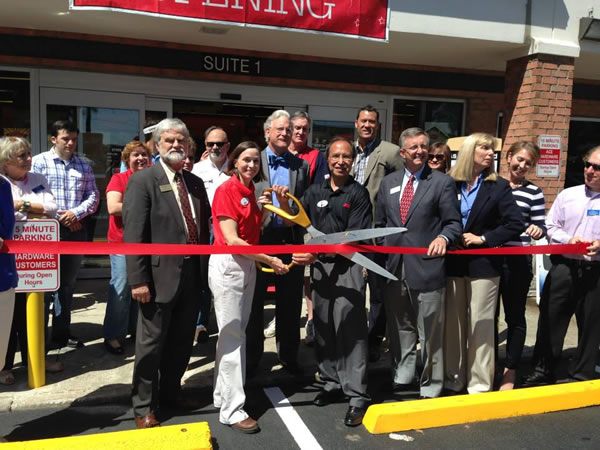
Ace Hardware Franchise Grand Opening - Herb and Gwen Velazquez SBA 7(a)

New Ace Hardware Franchise Financing

Alpharetta, GA Retail Franchise Real Estate + Working Capital

CLD was most helpful from answering my initial questions to the follow up... We would not have been able to start this business without CLD.

— Herb & Gwen Velazquez Read Story
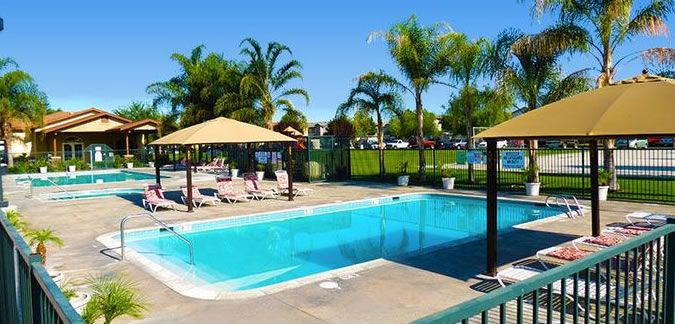
Golden Valley Luxury Apartments - 332 Units, Bakersfield CA CMBS

Apartment Refinance — 332 Units

Bakersfield, CA Luxury Multifamily Non-Recourse · 10-Yr I/O

I had a tremendously good experience with CLD and especially with my loan specialist — she identified the ideal loan program and handled everything professionally.

— Golden Valley Apartments Read Story
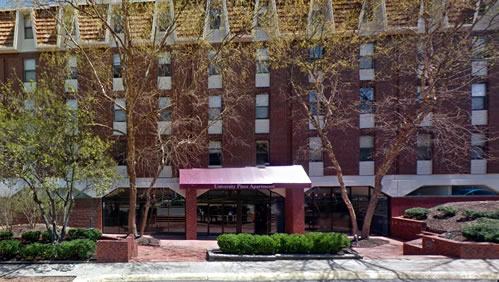
University Place Apartments - Student Housing, Columbia MO Conventional

Student Housing Refinancing — 181 Units

Columbia, MO Mixed-Use Student Housing Non-Recourse · 10-Yr

I felt confident through the process that things were under control, that my interests were protected — always a pleasure to work with.

— Mark Leifield Read Story

Want to see what real clients say about working with us?

Read Our Unfiltered Reviews

Was this page helpful?