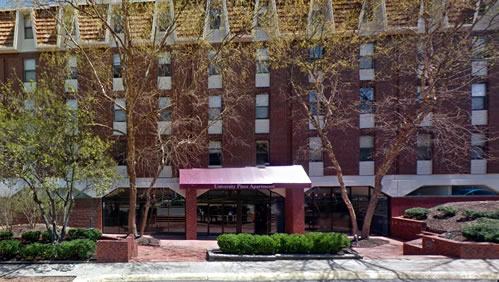
In the context of commercial mortgages, Class C Office Surrounding Land Use refers to the geographic and economic environment immediately encompassing an older, functional office building that typically lacks modern amenities and requires significant capital expenditure. Unlike Class A properties situated in "trophy" locations or Class B properties in established suburban hubs, Class C surrounding land use is often characterized by mature, transitioning, or industrial-adjacent neighborhoods where property values are lower and the infrastructure is aging.
When lenders evaluate a commercial mortgage application for a Class C office building, the surrounding land use plays a critical role in determining the risk profile of the loan. Detailed characteristics of these areas typically include:
Lenders view the land use surrounding a Class C office building as a primary indicator of collateral stability and exit strategy feasibility. The following factors are heavily weighed during the mortgage approval process:
1. Loan-to-Value (LTV) Ratios: Because Class C surrounding land use is more susceptible to economic downturns, lenders often require lower LTV ratios (typically 55% to 65%) compared to Class A or B properties to hedge against potential declines in neighborhood property values.
2. Tenant Quality and Retention: The surrounding land use dictates the type of tenant the building can attract. If the neighborhood is declining, lenders will scrutinize the Debt Service Coverage Ratio (DSCR) more closely, fearing that tenants may migrate to better locations, leaving the borrower unable to service the debt.
3. Appraisal and Comparables: Valuation is challenging in Class C areas. Appraisers look for "like-kind" land use within a small radius. If the surrounding area is disorganized or lacks cohesive development, it can lead to conservative valuations that may affect the total loan amount available to the borrower.
4. Adaptive Reuse Potential: For many commercial mortgages on Class C properties, the lender is interested in the highest and best use of the land. If the surrounding land use is transitioning toward residential lofts or creative spaces, the lender may view the mortgage as a "bridge to redevelopment" rather than a long-term hold for office space.
In summary, Class C Office Surrounding Land Use represents a higher-risk, higher-yield environment where the physical state of the neighborhood is as important to the lender as the physical state of the building itself.
Get a free commercial loan quote. This process does not affect your credit score.
What Clients Say About Us
Fernando and Leanne are amazing. I had many small businesses that need refinancing over the years. I have met many Brokers and there is always a catch. ALWAYS!… Use them! Once you do you will work with them forever
- Nirav Patel
If you searching for a great experience Commercial Loan Direct is the place. Leanne took care of me and honestly had the greatest experience. She handled all of my needs in a smooth and timely manner listened and addressed any concerns I had about the process and was very patient. I can be quite a handful at times and Leanne was so professional and kind hearted. I'd 100% recommend this company. Thank you again.
- Vincent Arias
We were in unfamiliar territory when it came to refinancing. Commercial Loan Direct streamlined the whole process for us. Leann connected us with lenders that were the right fit for us. The money and time we saved was so worth it. I highly recommend them
- Rita Pisarski
We found an account with the email address you provided. Let's get you logged in by putting your password below.