Reimbursement Structure

Definition of Reimbursement Structure

In the context of commercial mortgages and real estate, a reimbursement structure refers to the contractual method defined in a lease agreement that determines how operating expenses are allocated between the landlord (borrower) and the tenant. These expenses typically include property taxes, insurance, utilities, and common area maintenance (CAM). The structure dictates whether the tenant pays a "gross" rent inclusive of all costs or "reimburses" the landlord for specific ownership expenses.

Detailed Description

From the perspective of a commercial mortgage lender, the reimbursement structure is a vital component of underwriting. It directly affects the property’s Net Operating Income (NOI), which is the primary figure used to calculate the Debt Service Coverage Ratio (DSCR) and determine the maximum loan amount. A well-structured reimbursement plan protects the landlord’s cash flow from inflationary increases in operating costs, thereby reducing the risk of default on the mortgage.

There are several primary types of reimbursement structures found in commercial lease portfolios:

  • Triple Net (NNN): This is the most landlord-friendly structure. The tenant pays a base rent plus their pro-rata share of all operating expenses, including real estate taxes, building insurance, and maintenance. In a NNN lease, the landlord’s net income remains stable even if property taxes or utility costs spike.
  • Full Service Gross: The landlord pays all operating expenses out of the base rent received. For a mortgage lender, this structure carries higher risk because if operating costs increase, the landlord’s NOI decreases, potentially impacting their ability to service the mortgage debt.
  • Modified Gross: This is a hybrid approach where the tenant pays base rent and some utilities or maintenance, while the landlord covers taxes and insurance. The specific split of expenses is negotiated at the start of the lease.
  • Base Year Stop: Often used in multi-tenant office buildings, the landlord pays expenses up to a certain "base year" amount (usually the first year of the lease). The tenant is then responsible for reimbursing the landlord for any increases in expenses above that initial threshold in subsequent years.

Significance for Commercial Mortgages

The reimbursement structure is a key factor in property valuation. When an appraiser or lender evaluates a commercial property for a loan, they look at the expense recovery ratio. Properties with high reimbursement structures (like NNN) are often viewed as more stable investments because the "pass-through" of expenses to tenants acts as a hedge against inflation.

Lenders also examine these structures to ensure that there are no significant "leakages"—situations where the landlord is unable to recover costs from tenants due to caps or poorly drafted lease language. If the reimbursement structure is weak, the lender may lower the Loan-to-Value (LTV) ratio or require higher interest rates to compensate for the potential volatility in the property's income stream.

Reimbursement Structure
Definition (Reimbursement Structure) A payment or accounting structure in which the cost for utilities and/or services incurred by the tenant is paid to the provider by the lessor and subsequently reimbursed, usually on a prorated basis, by the tenant. Typically, the associated item is allocated between the lessor and lessee based on the lessees proportionate share of net rental area (e.g. utilities, real property taxes, insurance).
Type of Word Noun
Click To Hear Pronunciation

Commercial Loan Finder

Fill this form out to find the best commercial loan programs for your needs.

Get A Free Quote

Get a free commercial loan quote. This process does not affect your credit score.

Please put your first name here.
Please put your last name here.
Please put your email here.
Please put your phone number here.
Please select a property type.

Success Stories

See how we've helped borrowers across the country close complex deals and reach their goals.

Ace Hardware Franchise Grand Opening - Herb and Gwen Velazquez SBA 7(a)

New Ace Hardware Franchise Financing

Alpharetta, GA Retail Franchise Real Estate + Working Capital

CLD was most helpful from answering my initial questions to the follow up... We would not have been able to start this business without CLD.

— Herb & Gwen Velazquez Read Story

Golden Valley Luxury Apartments - 332 Units, Bakersfield CA CMBS

Apartment Refinance — 332 Units

Bakersfield, CA Luxury Multifamily Non-Recourse · 10-Yr I/O

I had a tremendously good experience with CLD and especially with my loan specialist — she identified the ideal loan program and handled everything professionally.

— Golden Valley Apartments Read Story
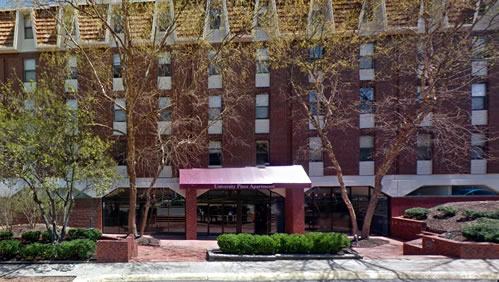
University Place Apartments - Student Housing, Columbia MO Conventional

Student Housing Refinancing — 181 Units

Columbia, MO Mixed-Use Student Housing Non-Recourse · 10-Yr

I felt confident through the process that things were under control, that my interests were protected — always a pleasure to work with.

— Mark Leifield Read Story

Want to see what real clients say about working with us?

Read Our Unfiltered Reviews

Was this page helpful?