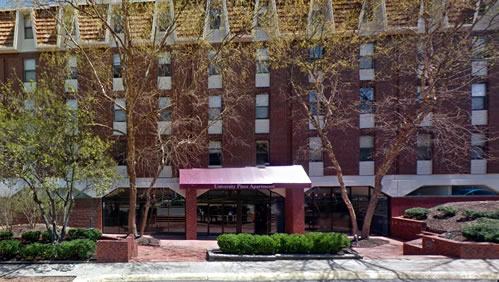
Bridge Loans Overview
Overview
Bridge loans are short-term commercial real estate loans designed to provide fast, flexible financing when permanent funding is not yet available. They are commonly used to acquire, refinance, renovate, stabilize, or reposition income-producing properties. In many cases, a bridge loan helps borrowers move quickly on an opportunity today and refinance into longer-term debt later.
For investors and property owners, bridge financing can be especially useful when timing matters. Traditional permanent loans often require stabilized cash flow, higher occupancy, and more extensive underwriting. A bridge lender may be more focused on the asset’s current value, business plan, sponsor strength, and expected exit strategy.
Commercial Loan Direct offers access to Bridge loan programs for a wide range of commercial and multifamily properties nationwide.
What Is a Bridge Loan?
A bridge loan is temporary financing intended to “bridge” the gap between a current need and a future event, such as a sale, refinance, lease-up, or completion of renovations. Terms are typically shorter than permanent loans, often ranging from 6 months to 3 years, with extension options in some cases.
Because bridge loans are built around transitional situations, they may be used for properties that are not fully stabilized. This can include assets with vacancy issues, deferred maintenance, below-market rents, unfinished improvements, or other conditions that may not fit conventional underwriting.
Common bridge loan features
- Short-term financing structure
- Faster closings than many permanent loans
- Interest-only payment options in many cases
- Higher leverage than some conventional lenders may allow on transitional assets
- Flexibility for acquisitions, refinancing, and renovation plans
- Exit strategy tied to sale or long-term refinance
When Borrowers Use Bridge Loans
Bridge loans are commonly used in situations where speed, flexibility, or property transition is the primary concern. They are often a good fit when a borrower has a clear business plan but needs time to improve the property or its financial performance before moving into permanent debt.
- Acquisition financing: Purchase a property quickly in a competitive market.
- Lease-up: Finance a property with temporary vacancy until occupancy improves.
- Value-add renovations: Upgrade units, common areas, or building systems to increase income and value.
- Refinancing maturing debt: Replace an existing loan that is coming due when permanent financing is not yet available.
- Turnaround situations: Stabilize underperforming properties before refinancing.
- Cash-out for improvements or recapitalization: Access equity while executing a repositioning plan.
Property Types Commonly Financed
Bridge lenders may finance many property types, especially when there is a strong value-add or stabilization story. Common examples include:
- Apartment loans for multifamily acquisitions and repositioning
- Office properties with lease-up or tenant rollover needs
- Retail and shopping centers with vacancy or redevelopment plans
- Industrial and warehouse properties
- Mixed-use properties
- Self-storage facilities
Bridge Loans vs. Permanent Loans
The biggest difference between bridge financing and permanent financing is purpose. A bridge loan is meant to solve a short-term capital need, while a permanent loan is structured for long-term ownership and stable cash flow.
| Feature | Bridge Loan | Permanent Loan |
|---|---|---|
| Typical term | 6 months to 3 years | 5 to 30 years |
| Best for | Transitional properties | Stabilized properties |
| Closing speed | Often faster | Usually slower |
| Payments | Often interest-only | Amortizing or fixed structures |
| Rates | Usually higher | Usually lower |
Once a property reaches stronger occupancy, improved cash flow, or completed renovations, borrowers often refinance into commercial loan refinance options such as conventional mortgages, Conduit / CMBS, or insurance mortgages.
Key Benefits of Bridge Financing
- Speed: Faster execution can help secure time-sensitive acquisitions.
- Flexibility: Underwriting can be tailored to a property’s future potential, not just current income.
- Transitional financing: Useful for assets that do not yet qualify for long-term financing.
- Value creation: Supports renovation, lease-up, and operational improvements.
- Customized structure: May include draws for capital improvements, reserves, or extension options.
What Lenders Evaluate
Bridge lenders generally look at both the real estate and the borrower’s execution plan. While programs vary, key underwriting points often include:
- Property type, location, and current condition
- Occupancy and in-place cash flow
- Purchase price or appraised value
- Renovation budget and timeline
- Sponsor experience and financial strength
- Exit strategy through sale or refinance
- Projected stabilized value and debt coverage
Borrowers can use tools such as the LTV Calculator, DSCR Calculator, NOI Calculator, and Cap Rate Calculator to better understand financing metrics.
Important Considerations
Bridge loans can be highly effective, but they should be used with a clear exit plan. Since rates are typically higher and terms are shorter, borrowers need to understand how and when they expect to repay or refinance the loan.
- Interest rates are generally higher than long-term financing
- Fees may be higher than those for permanent loans
- Extension terms should be reviewed carefully
- Renovation timelines and lease-up assumptions should be realistic
- Market conditions can affect refinancing options at maturity
Is a Bridge Loan Right for You?
A bridge loan may be the right choice if you are buying or refinancing a commercial property that needs time to stabilize, improve, or reach full value. It can be an excellent solution for experienced investors, owners with maturing debt, and borrowers pursuing value-add opportunities.
If your property is already stabilized, you may also want to compare bridge financing with commercial loans, commercial loan rates, and long-term permanent loan programs.
Ready to explore your options? Review available Bridge loan programs or apply to discuss your transaction with Commercial Loan Direct.