Commercial Loan Direct (CLD) provides commercial real estate loans in Chatham County, North Carolina. On April 11th, 2026, commercial loan rates in Chatham County, North Carolina range from 5.23% to 12.8% depending on the loan program.
Chatham County, North Carolina Commercial Loan Rates
| Loan Types |
Rates |
LTV |
Loan Amount |
Max Amortization |
| Conventional
|
5.23% -
8.8%
|
80% |
$1,000,000+ |
30 Years |
| Bridge |
5.9% -
12.8% |
80% |
$1,500,000+ |
I/O |
| Conduit / CMBS
|
6.07% -
7.84% |
75% |
$2,000,000+ |
30 Years |
| Construction
|
5.65% -
8.8%
|
83.3% |
$1,000,000+ |
I/O |
| Fannie Mae
|
5.61% -
6.31%
|
80% |
$1,000,000+ |
30 Years |
| Freddie Mac
|
5.91% -
9.28%
|
80% |
$1,000,000+ |
30 Years |
| FHA / HUD |
5.02% -
6.27% |
83.3% |
$5,000,000+ |
40 Years |
| Insurance
|
5.57% -
8.67% |
75% |
$5,000,000+ |
30 Years |
| SBA 504 |
5.76% -
6.04% |
90% |
$1,000,000+ |
25 Years |
| SBA 7a |
5.9% -
8.8% |
85% - 90% |
$1,000,000+ |
25 Years |
| USDA |
6.15% -
8.8% |
85% |
$1,000,000+ |
30 Years |
Note: The commercial mortgage rates displayed in this website should be used as a guideline and do not represent a commitment to lend. Commercial Loan Direct and CLD Financial, LLC are not liable for any commercial mortgage interest rate or data entry errors that might affect the displayed commercial loan rates. Commercial loan rates may change at any time and without notice.
Ready to Get a Commercial Loan Quote in Chatham County,
North Carolina?
Chatham County Interest Rates start at 5.23%. Getting a free quote is risk-free and does not impact your credit score. Our team of commercial loan experts is here to help you find the best financing solution for your needs in Chatham County, North Carolina.
Get a Quote
Commercial Loan Market Overview (Chatham County, North Carolina)
Chatham County’s commercial loan market is shaped by steady regional growth from the Research Triangle area, ongoing residential and mixed-use development, and a local economy that blends small business activity with expanding professional services, light industrial uses, and community-serving retail. Financing demand is commonly tied to property acquisition and development, business expansion, equipment purchases, and refinancing of existing commercial real estate.
Key Demand Drivers
- Growth spillover from the Triangle: Continued population and business growth in the broader region supports new retail, office, and service-sector projects.
- Construction and development activity: Borrowers often seek funding for land acquisition, horizontal development, and vertical construction, including mixed-use and neighborhood commercial projects.
- Small and mid-sized business expansion: Financing needs include working capital, equipment, and owner-occupied property purchases.
- Infrastructure and community investment: Public and private projects can stimulate demand for contractor and supplier financing, as well as commercial redevelopment.
Common Loan Types and Uses
- Commercial real estate (CRE) term loans: Used for purchasing or refinancing stabilized income-producing properties and owner-occupied buildings.
- Construction and construction-to-permanent loans: Often used for new builds or major renovations, with draws tied to project milestones.
- Lines of credit: Frequently used for working capital, seasonal cash-flow needs, and operating flexibility.
- Equipment financing: Common for contractors, service providers, and light industrial operators needing vehicles or specialized machinery.
Borrower and Property Segments
- Owner-occupied businesses: Professional services, medical-related offices, trades, and local operators seeking long-term stability through property ownership.
- Investor CRE: Demand varies by tenant strength and lease terms, with emphasis on stable occupancy and predictable cash flow.
- Small retail and service centers: Typically supported by local consumer demand; underwriting often focuses on tenant mix and rollover risk.
- Light industrial and flex space: Sought for warehousing, trades, and small-scale manufacturing, often benefiting from regional logistics and growth.
Typical Underwriting Focus
- Cash flow and debt coverage: Emphasis on demonstrated ability to service debt, using business financials and/or property income.
- Collateral quality and valuation: Appraisals, property condition, and marketability are central, especially for specialized assets.
- Borrower experience and liquidity: Track record, guarantor strength, and reserves are important, particularly for construction or transitional properties.
- Lease structure and tenant strength: For investor properties, lenders often evaluate lease terms, tenant credit, and concentration risk.
Market Conditions and Considerations
- Deal selectivity: Lenders generally prioritize well-documented borrowers, clear repayment sources, and properties with durable demand.
- Construction risk management: Projects commonly require defined budgets, contingency planning, and experienced contractors.
- Zoning and entitlement timelines: Land-use approvals and permitting can influence loan structure and closing timelines for development-related financing.
- Refinancing activity: Borrowers often explore refinancing to optimize terms, consolidate debt, or fund property improvements.
Overall Outlook
Overall, the commercial lending environment in Chatham County is supported by long-term regional growth and diversified local demand. The market tends to reward borrowers with strong fundamentals—clear business cash flow, solid project planning, and high-quality collateral—while transitional or development-heavy deals may require additional structure, documentation, and reserves.
Types of Commercial Loans in Chatham County
Investment Property Mortgages
The types of mortgages available for these types of properties are Conventional, CMBS / Conduit, Insurance, and Agency (FHA / HUD and USDA) products. Bridge and/or Construction mortgages are also available on a case-by-case basis in order to reposition, stabilize or construct buildings. Commercial real estate investment properties can include office, retail, industrial/warehouse,
self-storage, healthcare (medical office,
skilled nursing facility, memory care, hospitals), hospitality, (hotel, motel,
resort), and mixed use.
Owner Occupied Commercial Mortgages
Owner-Occupied commercial real estate properties in which the owner occupies at least 50% of the premises and can include office, retail, industrial/warehouse, self-storage, healthcare (medical office,skilled nursing facility, memory care, hospital), hospitality (hotel, motel, resort),
mixed use, or any other type of
commercial property. The types of mortgages available for owner-occupied buildings include Conventional, Insurance, and Agency programs including FHA / HUD, SBA, and USDA. Construction mortgages are also available on a case-by-case basis in order to develop or reposition a property for the owner's use.
Commercial Loan FAQs for Chatham County
Commercial interest rates in Chatham County North Carolina vary based on loan type, property type, loan-to-value, debt service coverage ratio, borrower strength, and market conditions. They range from approximately 5.23% to 12.8%.
Borrowers in Chatham County, North Carolina can access Conventional, CMBS/Conduit, Insurance, FHA/HUD, USDA, Bridge, Construction, and SBA financing based on property type, leverage, and occupancy.
Commercial loan rates in Chatham County, North Carolina depend on loan type, property cash flow, debt service coverage ratio, loan-to-value, borrower strength, and market conditions.
Yes. Owner-occupied financing is available in Chatham County, North Carolina, including Conventional, Insurance, SBA, USDA, and selected agency programs when eligibility requirements are met.
Yes. Refinance options in Chatham County, North Carolina include rate-and-term and cash-out structures, subject to underwriting, property performance, and lender program guidelines.
Why Borrowers in Chatham County Choose Commercial Loan Direct
Broad Program Access
Agency, conventional, bridge, construction, and specialized options in one platform.
Faster Decisioning
A streamlined online intake helps identify likely-fit programs quickly.
Nationwide Capabilities
Support for multifamily and commercial assets across U.S. markets.
Tailored Structures
Loan scenarios designed around property type, occupancy, and business plan.
Our 3-Step Process
Step 1. Submit a Quote Request
Your assigned Loan Specialist will work with you to understand the property you wish to purchase or refinance as well as your investment strategy.
Step 2. Selection
Your transaction will be matched with the top loan programs that best fits your request. Your Loan Specialist will assist by explaining the features of the proposed loan option(s) and will provide you with a breakdown of the rates,terms, and fees.
Step 3. Closing
You will work with your assigned Transaction Coordinator to send in the required items during the due diligence period. Third party reports are ordered and title and escrow are opened. Once all items on your pre-closing checklist have been received, the loan is closed and you receive your funds.
Get Started
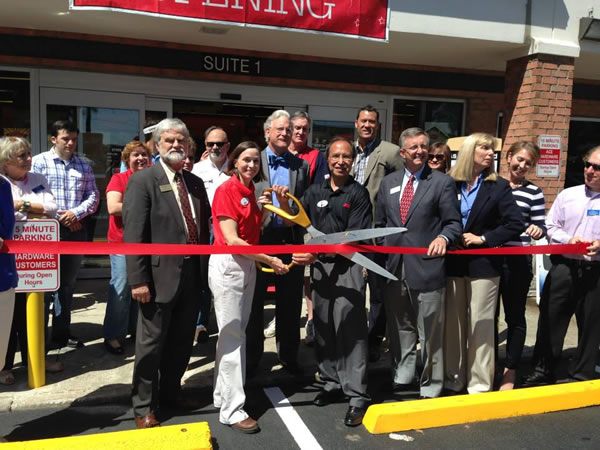 SBA 7(a)
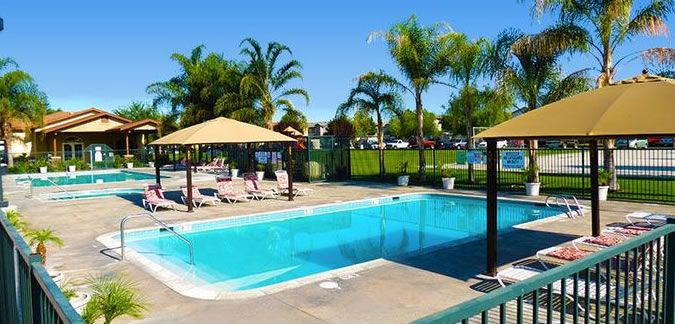 CMBS
CMBS
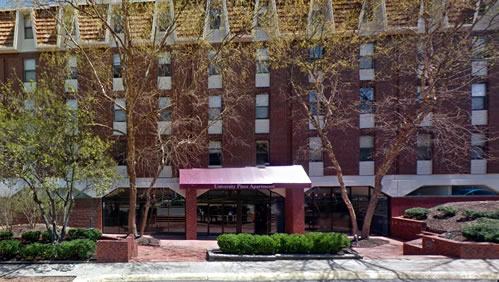 Conventional