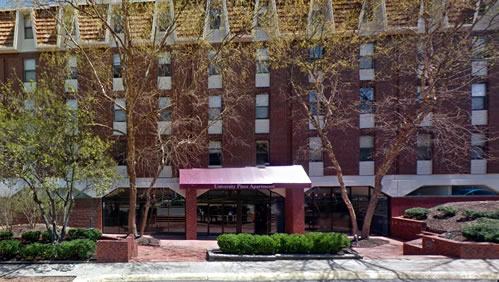
Number Occupied Units

Number Occupied Units

In the context of commercial mortgages, Number Occupied Units refers to the specific count of individual spaces within a commercial property that are currently under a valid lease agreement and inhabited or utilized by a tenant. This metric is a fundamental component of property valuation and risk assessment used by lenders to determine the financial health of an asset.

While the "Total Units" represents the capacity of a building, the Number Occupied Units reflects the actual income-generating portion of the property at a specific point in time. This figure is primarily used to calculate the Occupancy Rate, which is expressed as a percentage of occupied units relative to the total units available.

Lenders scrutinize the Number Occupied Units for several critical reasons:

  • Cash Flow Analysis: The number of occupied units directly dictates the gross rental income. Lenders use this to calculate the Debt Service Coverage Ratio (DSCR), ensuring the property generates enough revenue to cover mortgage payments.
  • Stabilization Status: A property is often considered "stabilized" when the Number Occupied Units reaches a certain threshold (typically 90% or higher). Properties with a low number of occupied units may be classified as "bridge" or "value-add" opportunities, which often carry higher interest rates.
  • Market Comparison: By comparing the Number Occupied Units against historical data and local competitors, lenders can determine if the property is performing at, above, or below market standards.
  • Tenant Concentration: In commercial sectors like retail or office space, lenders look at which specific units are occupied to ensure there isn't a dangerous reliance on a single "anchor" tenant.

It is important to distinguish between physical occupancy and economic occupancy. The Number Occupied Units generally refers to physical occupancy—units that are legally leased. However, a lender will also verify if those units are actually paying rent. If a unit is "occupied" by a tenant in default, it may be excluded from the lender’s adjusted income calculations during the underwriting process.

For multifamily properties, the Number Occupied Units is usually tracked monthly. For office, industrial, or retail properties, this figure is often tracked by Occupied Square Footage, though the count of individual leased suites remains a vital data point for diversifying risk across multiple lease expirations.

Number Occupied Units
Definition Identifies the number of currently occupied units.
Type of Word Noun
Click To Hear Pronunciation

Get A Free Quote

Get a free commercial loan quote. This process does not affect your credit score.

Please put your first name here.
Please put your last name here.
Please put your email here.
Please put your phone number here.
Please select a property type.

Was this page helpful?

What Clients Say About Us

Our Reviews

Unfiltered Reviews
Fernando and Leanne are Amazing

Fernando and Leanne are amazing. I had many small businesses that need refinancing over the years. I have met many Brokers and there is always a catch. ALWAYS!… Use them! Once you do you will work with them forever

- Nirav Patel

She Took Care of All My Needs

If you searching for a great experience Commercial Loan Direct is the place. Leanne took care of me and honestly had the greatest experience. She handled all of my needs in a smooth and timely manner listened and addressed any concerns I had about the process and was very patient. I can be quite a handful at times and Leanne was so professional and kind hearted. I'd 100% recommend this company. Thank you again.

- Vincent Arias

Commercial Loan Direct Streamlined the Whole Process

We were in unfamiliar territory when it came to refinancing. Commercial Loan Direct streamlined the whole process for us. Leann connected us with lenders that were the right fit for us. The money and time we saved was so worth it. I highly recommend them

- Rita Pisarski