 Written by Fernando Martin| August 25, 2026
Medical Office Building Loans:Financing Guide
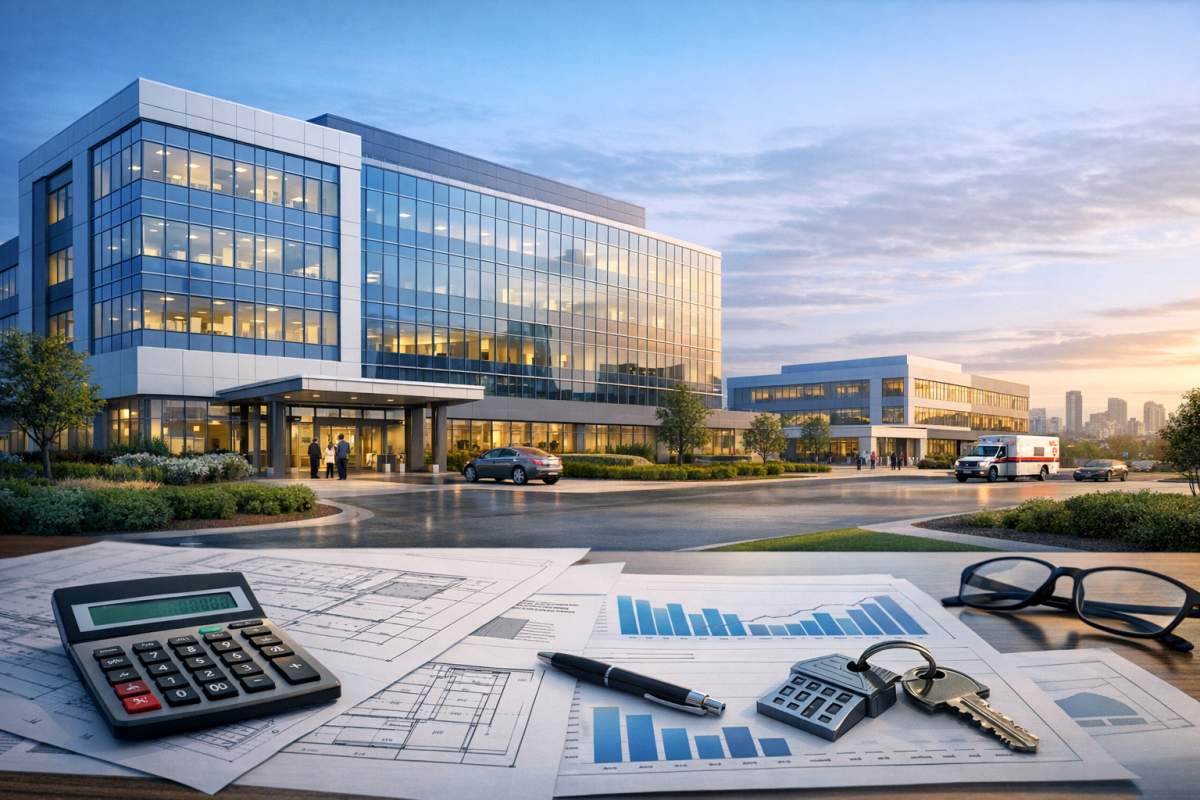
Medical office building loans remain an important segment of commercial real estate financing. Investors and owner-users continue to pursue medical office properties because healthcare demand is typically more durable than many traditional office uses. At the same time, lenders are closely reviewing tenant quality, lease structure, reimbursement exposure, and property location before issuing loan terms.
For borrowers, the financing landscape is broad. Depending on the property, sponsorship, and business plan, medical office building financing may be available through Conventional Mortgages, Insurance Mortgages, SBA programs, Bridge loans, and Construction financing. Commercial Loan Direct helps borrowers evaluate the right structure for acquisition, refinance, renovation, or ground-up development.
What Lenders Like About Medical Office Buildings
Medical office buildings, often called MOBs, can offer strong credit characteristics when compared with general office assets. Many properties benefit from long-term tenancy, specialized build-outs, and sticky healthcare uses that are not easily relocated.
- Stable demand tied to outpatient care and local demographics
- Tenants with significant investment in medical improvements and equipment
- Potential for long lease terms with annual rent bumps
- Lower remote-work risk than standard office properties
- Attractive locations near hospitals, health systems, or dense residential trade areas
However, not every medical office building qualifies for top-tier execution. Lenders still examine property age, deferred maintenance, tenant rollover, concentration risk, and whether the space can be re-leased if a medical tenant vacates.
Common Medical Office Building Loan Options
Conventional and Bank Financing
Traditional bank and commercial loans are often a strong fit for stabilized medical office properties and owner-occupied buildings. These loans may offer competitive amortization periods and flexibility for local borrowers with strong banking relationships.
Insurance Company Loans
Insurance company commercial mortgage programs may be appropriate for larger, well-leased Class A or institutional-quality MOB properties. These lenders often prefer lower leverage, stronger debt service coverage, and high-credit tenancy.
SBA 7(a) and SBA 504 Loans
For owner-users, SBA financing can be highly attractive, especially when a medical practice will occupy a majority of the building. SBA loans may support lower down payments and longer terms than some conventional business-purpose financing structures.
Bridge Loans
Bridge loans may work well for transitional medical office assets, lease-up scenarios, value-add repositioning, or borrowers needing short-term execution before permanent financing.
Construction Loans
For new development, expansion, or major renovation, construction financing may be used to fund soft costs, hard costs, tenant improvements, and interest reserves, subject to underwriting and preleasing strength.
Typical Underwriting Standards
In 2026, underwriting for medical office building loans generally focuses on both real estate fundamentals and healthcare-related tenant durability. Loan terms vary by lender and market conditions, but key factors usually include:
- Loan-to-value ratio
- Debt service coverage ratio
- Debt yield
- Occupancy and rent roll strength
- Tenant concentration and lease expiration schedule
- Borrower experience and liquidity
- Property condition and capital expenditure needs
- Location, parking, accessibility, and referral networks
Borrowers can estimate affordability and sizing with tools like the How Much Can I Borrow? — Office, DSCR Calculator, LTV Calculator, and NOI Calculator.
Loan Scenarios for Medical Office Properties
- Acquisition financing: For investors purchasing stabilized or partially leased MOB assets
- Owner-user financing: For physicians, dental groups, imaging centers, or specialty practices buying their own facility
- Refinance: For rate reduction, cash-out, partner buyout, or recapitalization through Commercial Loan Refinance
- Renovation or adaptive reuse: For converting traditional office or retail space into healthcare use
- Ground-up development: For new outpatient clinics or campus-adjacent projects
Challenges That Can Affect Financing
Even though medical office properties often perform well, several issues can reduce leverage or increase pricing:
- Heavy dependence on one tenant or physician group
- Short remaining lease terms
- Obsolete layouts or high future tenant improvement costs
- Properties in weak office submarkets without strong healthcare demand
- Limited parking, poor visibility, or weak access
- Borrowers seeking aggressive cash-out or high leverage
These concerns do not necessarily prevent financing, but they often influence structure, reserves, recourse, and loan proceeds.
How to Improve Your Medical Office Building Loan Request
- Prepare a current rent roll and operating statements
- Highlight tenant specialties, affiliations, and lease terms
- Document recent capital improvements and planned upgrades
- Provide borrower financials, real estate schedule, and liquidity details
- Explain the property’s referral base, hospital proximity, and competitive position
- Review current Commercial Loan Rates before locking strategy
Choosing the Right Lending Strategy
The best medical office building financing structure depends on whether the property is investor-owned or owner-occupied, stabilized or transitional, and existing or under construction. Borrowers comparing terms should look beyond interest rate alone and review amortization, prepayment flexibility, recourse, reserves, and future refinancing options.
Commercial Loan Direct arranges financing for healthcare-related properties nationwide, including Medical Office, Office, and Hospital / Healthcare real estate. For borrowers ready to move forward, the next step is to evaluate loan options based on property cash flow, tenant strength, and business objectives.
To get started, review available programs and submit an inquiry through the Apply page.