 Written by Fernando Martin| June 25, 2026
Retail & Shopping Center Loans in 2026: Vacancy, Rollover & Deals
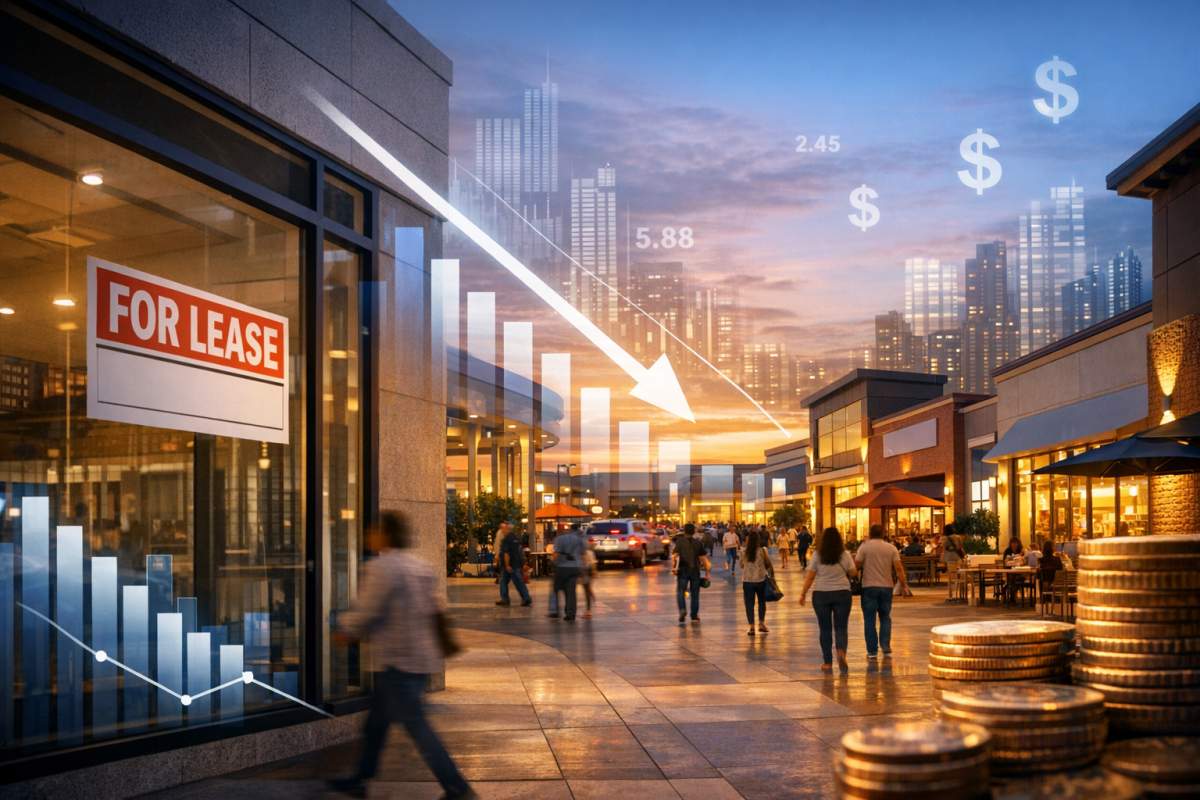
Retail real estate financing in 2026 is being driven by a mix of resilience and selectivity. Neighborhood centers, grocery-anchored properties, and well-located strip centers continue to attract lender interest, while weaker power centers, aging malls, and properties with heavy near-term lease rollover face tighter underwriting. For investors, the market is no longer about broad retail recovery. It is about tenant quality, rollover timing, capital needs, and the ability to hold occupancy through a slower leasing environment.
For borrowers seeking retail and shopping center loans, 2026 is a market where loan structure matters as much as loan pricing. Lenders are focusing on in-place net operating income, rent durability, tenant concentration, and realistic renewal assumptions. Strong retail assets can still qualify for attractive commercial loans, but weaker deals often need more equity, lower leverage, or short-term execution through bridge loans.
Vacancy in 2026: Stable in Good Centers, Elevated in Weak Ones
Retail vacancy is not moving evenly across the market. High-traffic centers with daily-needs tenants remain comparatively stable, especially where grocers, discount retailers, medical users, restaurants, and service tenants support repeat visits. These assets tend to finance best because lenders can underwrite predictable cash flow and stronger tenant retention.
By contrast, centers with older tenant mixes, soft trade areas, or large junior-box exposure continue to face leasing pressure. Even modest vacancy can become a financing issue when the dark space is difficult to backfill or when tenant improvement and leasing commission costs are likely to be significant. In those situations, lenders may haircut income, increase reserves, or reduce proceeds.
- Grocery-anchored centers generally remain the most financeable retail assets.
- Service-oriented strip centers often perform better than discretionary retail.
- Older centers with deferred maintenance may need renovation capital before permanent financing.
- Large-format vacancies can materially reduce lender confidence, even if current occupancy appears acceptable.
Lease Rollover Is a Major Underwriting Issue
In 2026, lease rollover is one of the most important risk factors in retail lending. A center that looks healthy today may underwrite very differently if a large percentage of leases expire in the next 12 to 36 months. Lenders want to know whether anchor tenants are committed, whether inline rents are above market, and how expensive renewals may become.
Borrowers should expect careful review of rent rolls, tenant sales where available, co-tenancy clauses, exclusives, renewal options, kick-out rights, and historical occupancy. If major tenants are nearing expiration, many lenders will underwrite to stressed cash flow rather than current contractual income.
Questions lenders are asking in 2026
- What percentage of base rent expires in the next two years?
- Are anchor tenants dark, downsizing, or seeking rent relief?
- Do small-shop tenants depend on one or two major traffic drivers?
- Are current rents above market, limiting renewal probability?
- How much capital will be needed for re-tenanting?
If rollover risk is moderate but the location is strong, conventional mortgages or insurance mortgages may still be available. If rollover is heavy and occupancy is less stable, Conduit / CMBS financing may work for some stabilized deals, while transitional properties may need bridge financing before refinancing into permanent debt.
Where the Best Retail Deals Are in 2026
The most attractive retail deals in 2026 are usually not trophy malls. They are practical, income-oriented assets with durable tenants and straightforward business plans. Buyers are targeting centers where they can preserve occupancy, increase rents modestly, and manage rollover without major disruption.
- Neighborhood centers with grocery or pharmacy anchors
- Centers leased to necessity retail and local service tenants
- Properties in dense suburban trade areas with limited new supply
- Retail components of mixed-use projects with strong surrounding demographics
- Well-located value-add centers that need lease-up and cosmetic upgrades
At the same time, distressed or near-distressed retail can create opportunity. Acquisitions involving vacancy, pending rollover, or lender fatigue may support better basis pricing. These deals usually require disciplined underwriting and a financing plan that matches the transition period. Many buyers pair acquisition financing with a refinance strategy using commercial loan refinance options once occupancy improves.
Retail Loan Options Borrowers Are Using
Retail borrowers in 2026 are choosing loan programs based on property stability, sponsor strength, and lease risk profile. Fully stabilized assets with strong DSCR and manageable rollover often qualify for permanent loans. Transitional properties usually need flexibility first and lower-cost debt later.
- Conventional loans: Good for stabilized community centers and strip centers with solid occupancy.
- CMBS loans: Useful for larger stabilized retail properties seeking longer terms and non-recourse structures.
- Insurance company loans: Often competitive for lower-leverage, high-quality retail assets.
- Bridge loans: Best for lease-up, re-tenanting, or pending rollover situations.
- Construction loans: Appropriate for redevelopment, pad development, or major repositioning through construction loans.
- SBA loans: A strong option for owner-users buying or refinancing smaller retail properties through SBA programs.
How Borrowers Can Improve Financing Terms
To obtain better loan proceeds and pricing, borrowers should present a clear story supported by current leases, operating statements, tenant profiles, and a realistic capital plan. In 2026, lenders are rewarding preparation and punishing vague assumptions.
- Extend key leases before applying for financing when possible.
- Document tenant sales strength and renewal discussions.
- Prepare a rollover schedule with downtime and leasing cost assumptions.
- Address deferred maintenance before lender inspections.
- Use tools like the DSCR Calculator, NOI Calculator, and How Much Can I Borrow? — Retail to estimate loan sizing.
Outlook for Retail & Shopping Center Lending
The 2026 outlook for retail and shopping center lending is constructive but cautious. Capital is available for the right deals, especially for necessity-based centers and well-leased suburban retail. However, vacancy and rollover remain central risks, and lenders are underwriting them aggressively.
Borrowers with strong locations, defendable rent rolls, and realistic leasing assumptions should still find competitive execution across several loan types. Borrowers with transitional assets may need short-term capital first, followed by permanent financing once occupancy and tenant mix improve. To explore current structures, rates, and execution options, review Commercial Loan Rates or start with CLD’s Apply process.